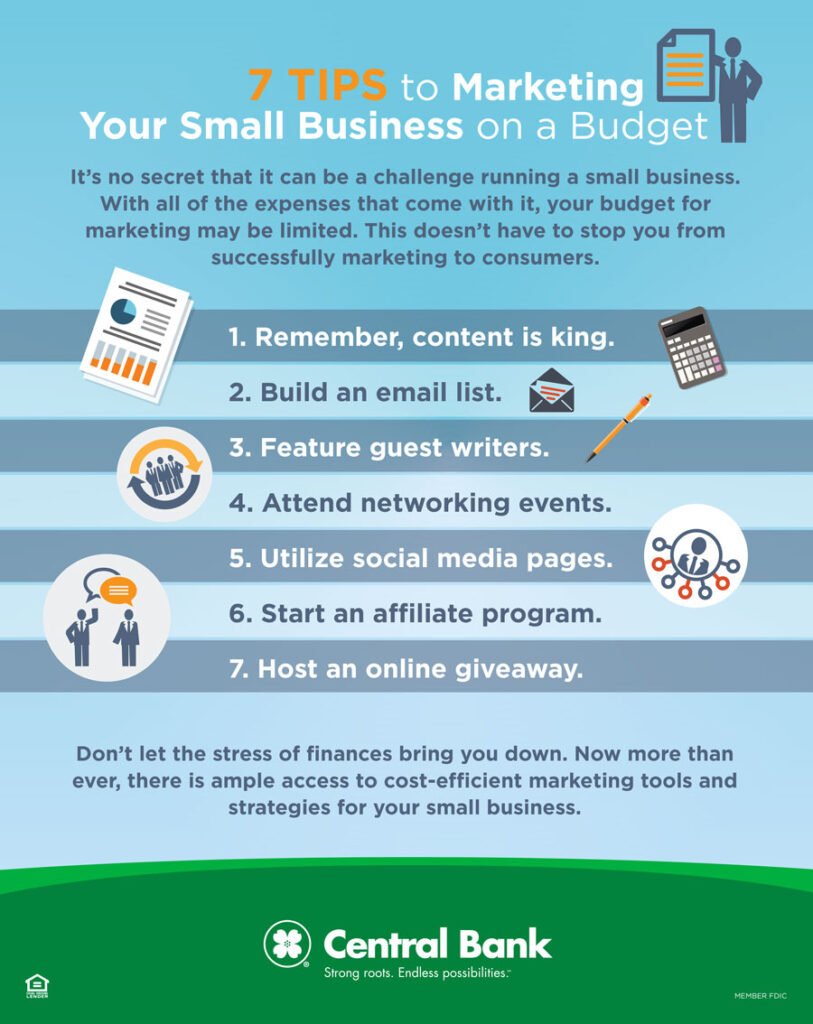
Every small business owner I talk to seems to assume good marketing requires a proper budget they don’t have yet. It doesn’t, not entirely. Some of the most effective small business marketing tips cost almost nothing — they just cost time and consistency, which honestly can be harder to spend than money.
Here’s what actually moves the needle without draining your bank account.
Reframe What “Marketing Budget” Means
Quick answer: For a small business with limited cash, marketing budget should be thought of primarily as time and consistency rather than ad spend — genuine engagement, referral systems, and organic content can generate real results before any paid advertising is needed.
This mindset shift alone changes how a lot of owners approach their first year of marketing.
Master Your Google Business Profile
This is free, and I’m consistently surprised how many small businesses have it half-filled out or entirely ignored.
- Add complete business hours, photos, and service details
- Actively request reviews from happy customers, and respond to every review, good or bad
- Post updates regularly, treating it almost like a mini social media channel
- Use relevant categories and keywords in your business description
For local businesses especially, this single free tool often drives more genuine, ready-to-buy traffic than a paid ad campaign would at the same stage.
Build a Referral System, Deliberately
Word of mouth happens naturally, but it happens faster and more reliably when you actually ask for it and make it easy.
- Ask happy customers directly for referrals, right after a positive interaction
- Offer a small incentive for both the referrer and the new customer, if your margins allow it
- Make sharing easy — a simple referral link or code, not a complicated process
- Follow up with customers who’ve referred others to thank them specifically
Use Content Marketing Instead of Paid Ads Early On
Consistent, genuinely helpful content on social media or a blog builds an audience over time without ongoing ad spend. It’s slower than paid ads, but it compounds, and once built, it keeps working without continued spending. [link to related guide about content marketing strategy here]
Partner With Complementary Local Businesses
Cross-promotion costs nothing but a conversation and some coordination.
- A hair salon partnering with a nearby bridal shop for mutual referrals
- A tutor partnering with a local bookstore for a joint event or discount
- A café partnering with a nearby gym for a healthy snack collaboration
I’ve noticed these partnerships work best when both businesses share a similar customer profile but aren’t direct competitors.
Leverage Email Marketing
Email remains one of the highest-return marketing channels, and most email tools offer free tiers for small subscriber lists.
- Collect emails from every customer interaction, in-store or online
- Send a simple, valuable newsletter — tips, updates, occasional offers — rather than pure promotional blasts
- Segment your list if possible, sending more relevant offers to different customer groups
Get Listed in Local and Industry Directories
Beyond Google Business Profile, get listed in relevant local directories, industry-specific listing sites, and community business groups. Many are free and improve both visibility and SEO through additional backlinks.
Use What You Already Have Creatively
- Repurpose customer testimonials into social proof graphics
- Turn frequently asked questions into content that addresses objections before they arise
- Use your existing customer base for reviews and user-generated content rather than paying for stock photos or influencers
When to Finally Invest in Paid Marketing
Once organic efforts are consistently generating some traction, small, targeted paid ad tests (even a few thousand rupees) can accelerate what’s already working, rather than trying to force results from a cold start with no organic presence at all.
FAQ
Can a small business really grow without any paid advertising? Yes, especially in the early stages — consistent organic content, referrals, and a strong Google Business Profile can generate meaningful growth before any ad spend is needed.
How much should a small business budget for marketing? There’s no universal number, but many small businesses start with 5-10% of revenue once they have some, reinvesting purely time and effort before that point.
Is email marketing still effective for small businesses? Yes, it remains one of the higher-return channels, especially for repeat business and nurturing customers who’ve already shown interest.
What’s the fastest low-budget marketing tactic for a new small business? Fully optimizing your Google Business Profile and actively requesting reviews tends to show relatively fast results for local, service-based businesses.
How do I get customers to actually leave reviews? Ask directly, right after a positive interaction, and make the process as simple as possible — a direct link removes most of the friction.
Should a small business hire a marketing agency or do it themselves initially? Doing it yourself initially helps you understand your audience directly and builds a foundation; hiring help becomes more worthwhile once you have consistent revenue to invest.
Conclusion
Effective small business marketing on a tight budget isn’t about finding free shortcuts to replace paid advertising entirely — it’s about recognizing that time, consistency, and genuine customer relationships are themselves a form of budget, often more powerful than money spent carelessly. Start with your Google Business Profile and a deliberate referral system this week; both cost nothing but consistently deliver real results for small, local businesses. [link to related guide about getting a small business loan here]
Suggested Alt Text:
- “Small business owner updating Google Business Profile on laptop”
- “Customer leaving a positive review for a local small business”
- “Two small business owners discussing a cross-promotion partnership”