Water is part of nearly everything we do, from making the first cup of coffee in the morning to cleaning equipment at the end of a busy workday. Yet its quality can vary considerably depending on the source, local geology, plumbing, and the demands placed on the supply. Sometimes the signs are obvious: chalky marks on faucets, an unpleasant taste, or spots that keep appearing on freshly washed dishes. Other concerns are less visible, which makes understanding your water especially important.
The good news is that water treatment doesn’t have to be complicated. The key is to identify the issue first, then choose equipment designed to address it. A household with hard water may need something quite different from a restaurant, office, or manufacturing facility. When treatment matches the actual need, it can improve everyday comfort, protect equipment, and make water management more predictable.
Understanding What’s in Your Water
Before choosing a filtration system or softener, take a closer look at the water entering your property. Municipal supplies are generally treated and monitored under applicable drinking water regulations, while private well owners are typically responsible for arranging their own testing. Even when water meets public drinking water standards, it may still have characteristics that affect taste, household plumbing, or equipment.
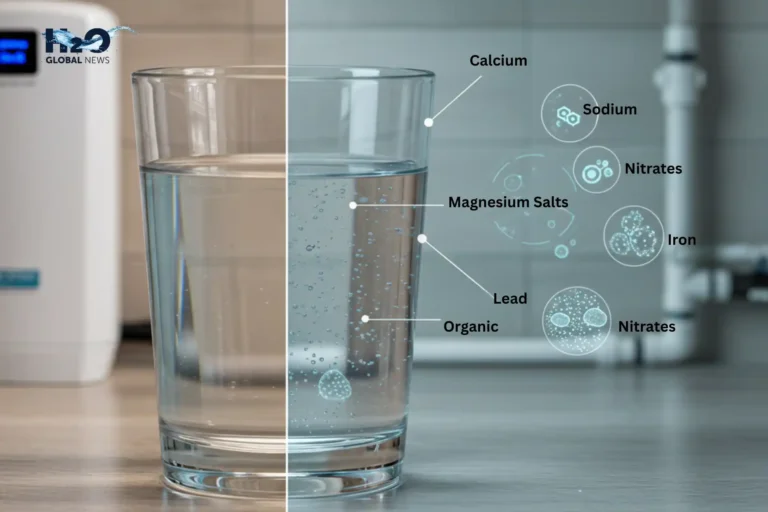
Hardness is a common example. Water containing elevated levels of calcium and magnesium can leave deposits on showerheads, glassware, and heating elements. Iron may cause reddish-brown staining, while sediment can contribute to cloudy water or clog certain fixtures. Chlorine used in municipal disinfection can also influence taste and smell.
These symptoms offer clues, but they don’t provide a complete picture. A laboratory test or professional water assessment can help determine which substances are present and whether treatment is necessary. Testing is particularly important when the concern involves potentially harmful contaminants, because clear-looking water isn’t necessarily safe.
Once you know more about the water, selecting the right equipment becomes much easier. Instead of purchasing a product based on a general promise, you can focus on the specific problem that needs to be solved.
When Hard Water Becomes a Household Headache
Hard water isn’t usually considered a direct health concern, but it can be frustrating to live with. Soap may not lather as easily, residue can collect around bathroom fixtures, and mineral deposits may build up inside appliances that heat water. Over time, these deposits can affect efficiency and increase cleaning or maintenance demands.
For many households, water softeners offer a practical way to reduce hardness. Traditional salt-based softeners use an ion-exchange process that replaces calcium and magnesium ions with sodium or potassium ions. When correctly sized and maintained, they can help reduce scale formation and make everyday cleaning more comfortable.
It’s worth understanding what a softener does not do, however. It isn’t a universal water purifier and doesn’t automatically remove bacteria, nitrates, or every dissolved chemical. The system must be selected for the water conditions and the household’s consumption.
Salt use, regeneration frequency, and ongoing maintenance should also be considered before installation. Some homes may benefit from alternative conditioning approaches, although these don’t necessarily remove hardness minerals in the same way as ion exchange. Comparing the available options with a qualified professional can help clarify which approach fits your needs.
Improving Water Throughout the House
Sometimes the goal extends beyond reducing hardness. Homeowners may want to address sediment, improve taste, reduce chlorine-related odors, or protect plumbing fixtures from certain unwanted substances. In these situations, a treatment setup designed for several points of use may be worth exploring.
A properly selected whole home filtration system treats water as it enters the property, allowing treated water to reach multiple taps and appliances. Depending on the technology, the system may reduce sediment, chlorine, or other specified contaminants. Different filter media serve different purposes, so the choice should be based on test results and verified performance claims.
For example, sediment filtration can capture suspended particles, while activated carbon can reduce certain tastes and odors. Other treatment technologies may be appropriate for specific contaminants, but no single filter should be assumed to remove everything.
Flow rate matters as well. A system needs to supply enough treated water when several fixtures operate simultaneously. If the unit is undersized, household members may notice reduced pressure or restricted flow during busy periods. Filter capacity, cartridge replacement costs, installation space, and access for servicing all deserve attention before a purchase.
Not every property needs a whole-house system. In some cases, a filter at the kitchen sink may be sufficient for the particular drinking water concern. The most effective setup is the one that addresses the actual problem without adding unnecessary equipment or expense.
Businesses Have Different Water Demands
Commercial properties often use much more water than an average household, and their requirements can be considerably more specific. A café may need consistent water quality for coffee preparation and ice machines. A hotel may be concerned about scale in boilers, laundry equipment, and showers. A manufacturing facility might require controlled water characteristics for its processes.
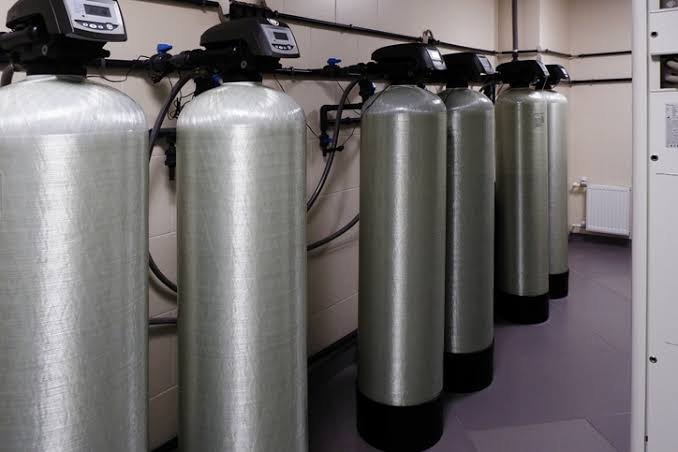
This is where commercial water filtration can become an important part of daily operations. A suitable system may help reduce selected impurities, protect downstream equipment, and support consistent water quality for a particular application. However, commercial treatment isn’t simply a larger version of residential filtration. System design must account for peak demand, operating hours, incoming water conditions, and the consequences of an interruption.
For food service businesses, water quality can affect taste, cleaning, and equipment performance. In offices and hospitality settings, it can influence drinking water stations and general user experience. Industrial applications may involve more specialized requirements, sometimes including pretreatment, reverse osmosis, or other carefully selected technologies.
Businesses should identify their treatment goals before choosing a supplier. A useful assessment considers current water test results, equipment specifications, expected usage, and any applicable industry requirements. This makes it easier to select a system that performs reliably under real operating conditions.
Installation and Maintenance Matter Just as Much
Even quality equipment can disappoint when it is installed incorrectly or neglected after installation. Poor sizing, unsuitable filter media, incorrect plumbing connections, and inadequate pressure can all affect performance. A system that works well in one property may not be appropriate for another with different water conditions or demand.
Before installation, ask the provider to explain the proposed system, its expected performance, and the maintenance it will require. Find out how often filters need replacing, whether salt or other consumables are necessary, and what servicing costs to expect. If the equipment is intended to reduce a particular contaminant, ask for documentation showing its performance for that specific purpose.
Routine maintenance should follow the manufacturer’s instructions. Filters can become clogged, softeners need appropriate regeneration, and some systems require periodic disinfection or professional inspection. Where treatment targets a potentially harmful contaminant, follow suitable testing guidance to confirm that the system continues to perform as intended.
Businesses should also plan for servicing around operating schedules. An avoidable interruption during peak hours can be costly, so keeping replacement parts available and arranging timely maintenance may be worthwhile.
Make Water Treatment a Practical Investment
Choosing water treatment is ultimately about solving a real problem, not buying the most elaborate equipment available. Start by understanding your water, consider how much you use, and decide what improvement matters most. For one household, that may mean reducing scale. For another, it could involve improving drinking water taste. A commercial operation may need a system designed around production demands and equipment protection.
Ask questions, compare performance information, and consider the total cost of ownership rather than the purchase price alone. Reliable testing and appropriate professional advice can prevent expensive guesswork.
Water quality affects comfort, equipment, and daily operations in ways that are easy to overlook until something changes. With the right information and a treatment system suited to the job, homeowners and businesses can make more confident decisions and maintain dependable water for the long term.