Everyone seems to know someone who’s “doing e-commerce” these days, and honestly, the barrier to entry has genuinely dropped over the past few years. That doesn’t mean it’s effortless — I’ve seen plenty of stores launch and quietly fade within months. Learning how to start an ecommerce business properly, with the right groundwork, makes a real difference.
Let’s walk through it step by step.
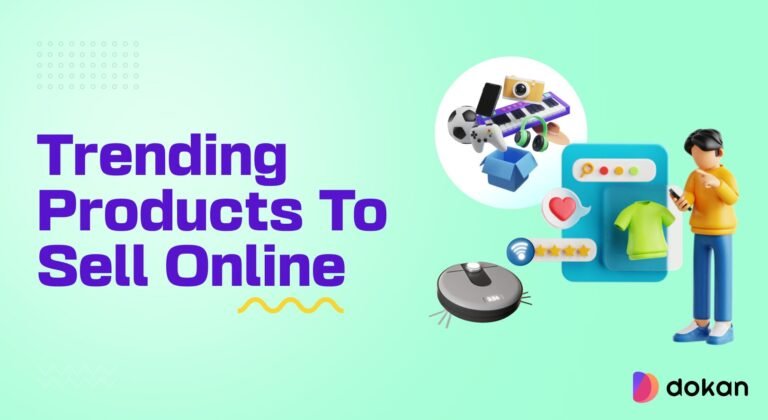
Choosing What to Sell
Quick answer: The best products for a new ecommerce business solve a specific problem, have healthy margins after shipping and platform fees, and aren’t easily available at the same price in local markets, giving customers a genuine reason to buy online instead.
I’d steer beginners away from products competing purely on price against big platforms — that’s a race to the bottom nobody wins except the biggest player.
Validating Demand Before Investing in Inventory
Before ordering bulk stock, test demand small.
- Run a small batch of the product and gauge actual sell-through
- Use a simple Instagram page to gauge interest before committing to inventory
- Check search volume for your product category to confirm people are actually searching for it
- Look at existing sellers’ reviews to spot gaps you could fill better
Choosing Your Selling Platform
You’ve got a few real paths here, and they’re not mutually exclusive:
- Marketplaces (Amazon, Flipkart, Meesho) — instant access to existing traffic, but with fees and less brand control
- Your own website (Shopify, WooCommerce) — full control and branding, but you need to drive your own traffic
- Social commerce (Instagram, WhatsApp Business) — low barrier to entry, works especially well for smaller, personal brands
Many successful sellers actually run a hybrid — using marketplaces for volume and their own site or Instagram for brand-building and better margins.
Registration and Legal Basics
How to start an ecommerce business legally means getting a few things sorted early:
- GST registration, which is mandatory for selling on most marketplaces regardless of turnover
- A business bank account, separate from personal finances
- Basic business registration (sole proprietorship at minimum, more formal structures as you scale) [link to related guide about business registration process here]
Setting Up Logistics and Fulfillment
This is where a lot of new sellers underestimate the complexity. Options include:
- Self-fulfillment — packing and shipping orders yourself, feasible at low volume
- Marketplace fulfillment programs (like Fulfilled by Amazon) — they handle storage, packing, and shipping for a fee
- Third-party logistics partners for sellers running their own website
Picture a small home décor seller starting out packing every order herself at her kitchen table — manageable at 5 orders a day, genuinely unsustainable at 50. Plan for that transition point before it forces itself on you.
Pricing Your Products Correctly
New sellers frequently underprice, forgetting to account for platform fees, shipping, returns, and packaging costs, then wonder why margins are razor-thin or negative.
A rough pricing checklist:
- Cost of goods
- Packaging and shipping costs
- Platform commission (varies by marketplace, often 5-20%)
- Payment gateway fees
- A genuine profit margin, not just break-even
Marketing Your Store From Day One
Don’t wait until the store’s “ready” to start building an audience. Start posting content, building an email list, and engaging potential customers before your official launch if possible.
- Use Instagram and social proof from early customers to build initial trust
- Run small, targeted ad tests once you have some initial sales data
- Encourage and actively request reviews from early customers, since reviews heavily influence future buyers
Common Mistakes First-Time Sellers Make
- Ordering large inventory before validating actual demand
- Ignoring return rates when calculating true profit margins
- Underpricing to compete purely on cost against much bigger sellers
- Neglecting customer service, which heavily influences repeat purchases and reviews
FAQ
How much money do I need to start an ecommerce business in India? It varies widely, but many small sellers start with ₹15,000-₹50,000 for initial inventory and basic marketing, especially with a dropshipping or small-batch model.
Do I need GST registration to sell online? Yes, almost all major marketplaces require GST registration regardless of your turnover, unlike offline small businesses which have a turnover threshold.
Which platform is best for a new ecommerce seller in India? It depends on your product and audience — marketplaces offer faster initial traction, while your own website or Instagram builds better long-term brand control and margins.
How long does it take for an ecommerce business to become profitable? Typically 6-12 months for consistent profitability, depending on how quickly you validate demand and manage costs like returns and ad spend.
Should I handle fulfillment myself or use a third party? Self-fulfillment works at low order volumes; once you’re consistently processing dozens of orders daily, third-party or marketplace fulfillment usually becomes more practical.
What’s the biggest reason new ecommerce stores fail? Launching without validating real demand first, leading to unsold inventory and cash flow problems before the business ever gets traction.
Conclusion
Learning how to start an ecommerce business in India comes down to validating demand before you invest heavily, picking the right mix of platforms for your product, and getting your pricing and logistics genuinely sorted from the start. It’s more achievable than ever, but it still rewards patience and testing over rushing straight to a big inventory order. Start small, validate with real customers, and scale only once you’ve confirmed people genuinely want what you’re selling. [link to related guide about the best platforms to sell online here]
Suggested Alt Text:
- “Entrepreneur packing ecommerce orders for shipping from home”
- “Online store dashboard showing product listings and sales”
- “Small business owner reviewing GST registration documents for ecommerce”