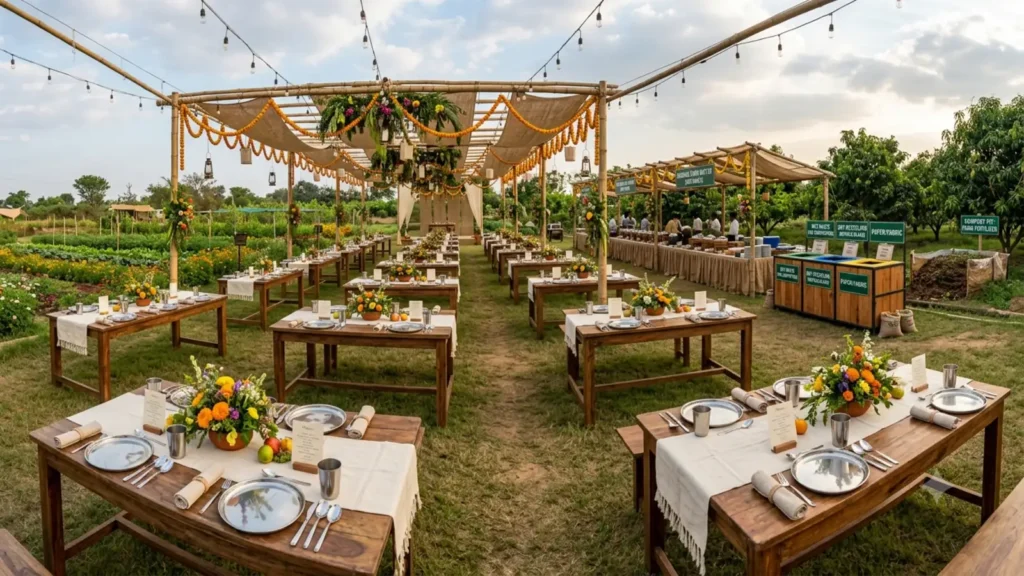
A memorable event doesn’t necessarily need a huge budget, an elaborate theme or a room filled with expensive decorations. Quite often, the occasions people remember most are the ones that feel comfortable and genuine. The food is shared easily, conversations happen without being rushed, and everyone feels like they belong there.
That feeling starts long before guests arrive.
Choosing the right setting, understanding what your guests need and giving yourself enough flexibility can turn an ordinary gathering into something people talk about afterward. Whether you’re organizing a family milestone, a birthday, an anniversary dinner or a wedding, thoughtful planning matters. But so does knowing when to stop planning and simply enjoy the moment.
Begin With the Purpose
Before looking at venues, ask what you’re actually celebrating.
The answer sounds obvious, but it can guide every decision that follows. A family reunion might need space for children to move around. An anniversary could call for a quieter atmosphere. A wedding may require dedicated areas for dining, photographs, dancing and the ceremony itself.
Events such as weddings & private events often involve many moving parts, but the central purpose should remain clear throughout the planning process.
If you’re celebrating people and relationships, don’t let logistics completely take over.
The details should support the occasion, not become the occasion.
Choose a Setting That Matches the Mood
A venue can influence how guests behave without anyone consciously noticing.
A formal ballroom naturally encourages a certain type of interaction. An outdoor space beside a lake may feel more relaxed. A private dining room can make a small group feel connected and comfortable.
Think about what you want people to feel when they arrive.
If you’re hoping for casual conversation, look for comfortable seating and spaces where small groups can gather. If the event involves dancing or entertainment, make sure there’s enough open floor space.
And if the surroundings are beautiful, don’t underestimate them.
A natural view can provide atmosphere without requiring much decoration.
Privacy Can Change Everything
There are occasions when having your own space makes a significant difference.
A private venue allows guests to relax without unrelated diners, visitors or other groups sharing the same environment. This can be particularly helpful for family gatherings, milestone celebrations and events where people want to talk freely.
Privacy doesn’t necessarily mean isolation.
You can still have a lively atmosphere. It simply means the people around you are there for the same reason.
Before booking, ask exactly what “private” means. Does your group have exclusive use of the room, the outdoor area or the entire property? Are other events happening nearby?
Clear answers are better than assumptions.
Think About the Guest Experience
Hosts often focus on what they want, which makes sense. It’s their event.
But a successful gathering also depends on how guests experience the space.
Consider parking, entrances, seating, restroom access and walking distances. If older relatives are attending, make sure they won’t need to navigate difficult terrain. If children are coming, consider whether there’s a safe place where they can move around.
Temperature matters too.
Outdoor events can become uncomfortable quickly without shade in hot weather or protection when temperatures drop. If you’re planning an evening event, lighting should be sufficient for both atmosphere and safety.
These details may not appear in photographs, but guests notice them.
Food Should Fit the Occasion
A complicated menu isn’t automatically a better menu.
The best food choice depends on the event and how you want people to interact.
A buffet can create a relaxed atmosphere, while a plated dinner feels more formal. Shared dishes can encourage conversation, particularly at family gatherings. Light refreshments may be all you need for a shorter afternoon event.
Think about dietary requirements early.
Ask guests about allergies and restrictions and make sure the caterer understands them. If you’re serving food outdoors, consider temperature control, food storage and insect protection.
And don’t forget drinks.
Water should always be easy to find, especially during warm-weather events.
Use the Surroundings Instead of Overdecorating
If you’ve chosen a beautiful location, let it remain visible.
A lake, garden, forest or open landscape can become part of the event’s visual identity. Heavy decorations may actually hide what makes the venue special.
Keep the design simple.
Flowers, candles, lanterns, neutral table settings and a few meaningful personal touches can be enough. The goal isn’t to cover the landscape but to complement it.
Think about photography as well.
Natural surroundings can provide different backdrops throughout the day. A shaded area may work beautifully in the afternoon, while the shoreline could offer a completely different atmosphere near sunset.
Give Guests Options
Not everyone enjoys events in the same way.
Some people will want to talk for hours. Others may want to walk around, take photographs or spend time outdoors. Children may need somewhere to play.
Instead of organizing constant entertainment, create opportunities.
A few comfortable seating areas can be enough. If appropriate, offer simple activities such as lawn games, walking routes or access to outdoor recreation.
The important thing is that participation feels optional.
Guests shouldn’t feel like they’re being forced from one activity to the next.
Don’t Forget the Weather
Outdoor events require a backup plan.
Even if the forecast looks perfect, conditions can change. Have a covered area or indoor alternative if possible. Think about wind, heat, rain and cooler evening temperatures.
If you’re using tents, temporary structures or outdoor electrical equipment, make sure they’re installed appropriately and safely.
Tell guests what kind of environment to expect.
A quick note about outdoor footwear, sun protection or weather-appropriate clothing can be surprisingly helpful.
Nobody wants to discover that their formal shoes are completely unsuitable for a grassy field after they’ve already arrived.
Build a Flexible Timeline
A schedule helps, but don’t make it so rigid that everyone spends the evening watching the clock.
Identify the important moments. Perhaps there’s a ceremony, dinner, a few speeches or a special presentation.
Then leave gaps between them.
Those gaps give guests time to talk and allow you to handle small delays without creating panic. Someone will arrive late. A photographer may need another ten minutes. Dinner may take longer than expected.
That’s normal.
A good event timeline has enough structure to keep things moving and enough flexibility to let real life happen.
Personal Details Matter
The easiest way to make an event memorable is to make it personal.
Use music that means something. Display photographs. Serve a family recipe. Add a small note explaining why a particular tradition matters.
These details don’t need to cost much.
A handwritten card can have more emotional impact than an expensive centerpiece because it tells guests that thought went into the occasion.
Ask yourself what makes the people being celebrated unique.
Then bring some of that into the event.
Don’t Forget Yourself
There’s one person hosts frequently overlook: themselves.
It’s easy to spend the entire event checking on food, answering questions and making sure everyone else is comfortable.
Delegate where possible.
Let a friend handle small questions. Give vendors clear responsibilities. Have someone else keep an eye on the schedule.
Then take a seat.
Eat. Talk. Laugh. Look around.
You created the gathering, but you’re also supposed to experience it.
Let the Day Become Its Own Story
No matter how carefully you plan, something unexpected will happen.
Maybe the weather changes. Maybe a speech goes longer than planned. Maybe guests stay later than expected because they’re having such a good time.
Those moments aren’t necessarily problems.
They can become part of the story.
When the setting is comfortable and the essentials are taken care of, your gathering has room to develop naturally. People can talk, reconnect and create memories without feeling rushed through a checklist.
That’s ultimately what a meaningful event should do.
It should bring people together and give them a reason to pause from ordinary life for a while.
Years from now, guests probably won’t remember every decoration or whether the schedule ran exactly on time. They’ll remember who was there, how they felt and the little moments that happened between everything you planned.
And those are usually the moments worth celebrating.